"Michael Julian has written an excellent book. Practical, detailed, and a potential life saver if you find yourself in the midst of a targeted attack."
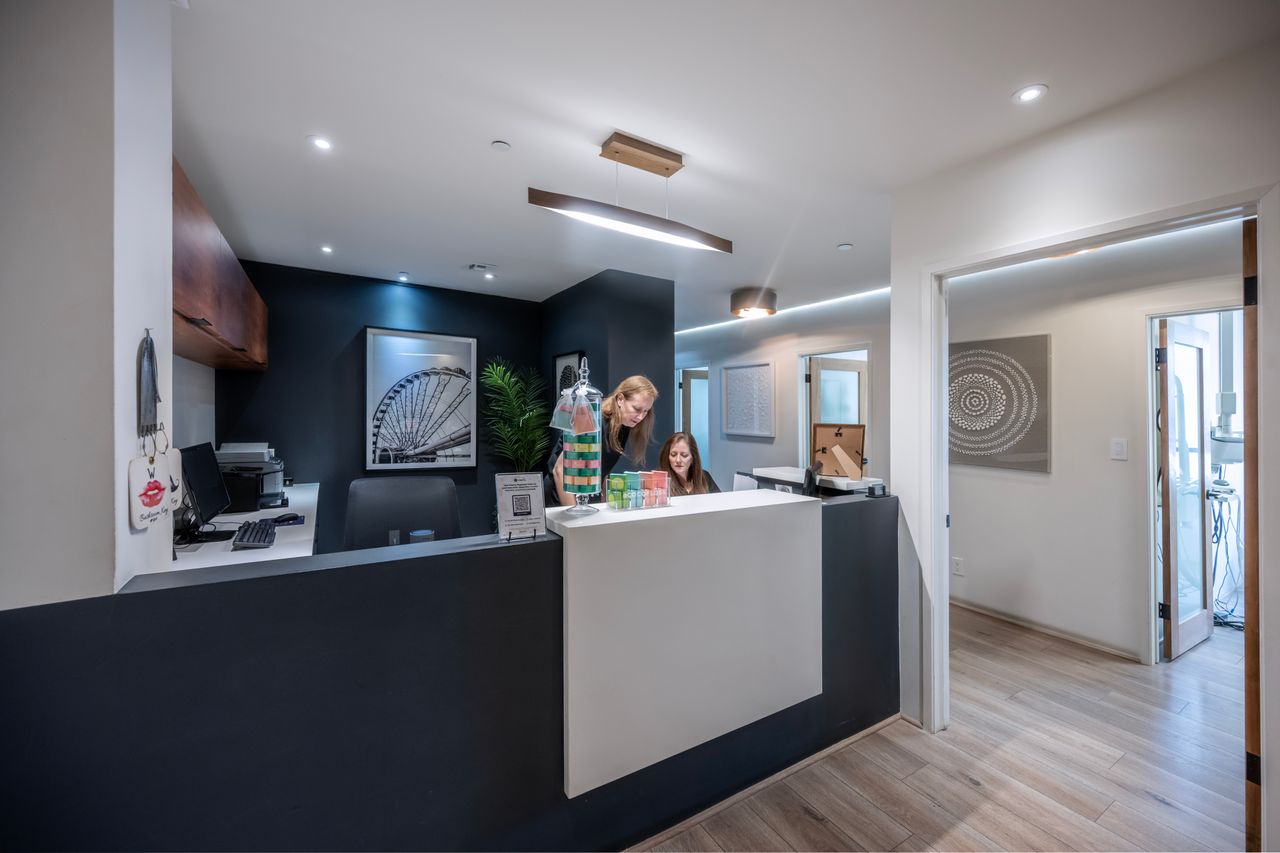
Active Shooter Training for Medical and Dental Offices: Preparing Small Healthcare Practices
Active shooter training for medical and dental offices prepares front desk, clinical, and administrative staff to respond in the first minutes of a violent attack, when a waiting room full of patients, a warren of exam rooms, and staff focused on care can leave a practice dangerously unprepared. A small healthcare office is a busy, public place with a steady flow of strangers, emotionally charged situations, and staff whose attention is on patients rather than the door.
Most independent practices never see themselves as a target. They are places built for healing, not for confrontation. That very openness, though, is what makes a clear, rehearsed plan so valuable. Preparing for the worst does not change how a practice cares for patients. It simply means the people inside are not starting from zero if the unthinkable happens.
Why do medical and dental offices need a plan?
Healthcare settings carry a level of workplace violence risk that surprises many practice owners. According to the U.S. Bureau of Labor Statistics, healthcare workers accounted for 73 percent of all nonfatal workplace injuries and illnesses caused by violence in 2018 (BLS, 2020). Most of that violence is not an active shooter event, but it reflects a simple truth: healthcare staff routinely manage frustrated, frightened, and sometimes impaired people, and that puts them on the front line.
Active shooter incidents remain rare, but they do reach healthcare settings. In its most recent annual report, the FBI designated 48 shootings as active shooter incidents in 2023, spread across five location categories that include commerce and health care (FBI, 2024). A dental or medical office sits squarely in that mix of open, public, commercial environments. Preparedness is not about living in fear. It is about giving a small team something reliable to fall back on.
What makes a small practice a distinct challenge?
A medical or dental office has a layout unlike most workplaces. Patients move from a public waiting room into a controlled clinical area through a single check-in point, and staff are often spread across exam rooms, treatment bays, labs, and back offices. That separation means a threat at the front desk may be invisible to a hygienist or physician working in the back, and vice versa.
There are other complications. Patients may be sedated, mid-procedure, or physically unable to move quickly. Providers are trained to run toward a person in distress, not away from a threat. And the front desk staff, who are most exposed, are often the least prepared for a security emergency. A practice needs a response that accounts for all of this, not a generic template written for an office full of desks.
What does effective training cover?
Good active shooter training for a healthcare practice starts with the reality of the space and the people in it. At its core, the response follows the widely taught principle of getting away from the threat when a safe path exists, getting out of sight behind something solid when escape is not possible, and being ready to protect yourself as an absolute last resort. Training translates that principle into the specific hallways, exits, and rooms of the actual office.
Because a practice functions as a workplace with legal and ethical duties to its staff, owners benefit from treating security the same way they treat any other safety obligation. This is part of essential workplace preparedness, and it belongs alongside fire drills, infection control, and medical emergency protocols. Effective sessions also address how staff communicate an alert across a divided floor plan, how they account for patients who cannot self-evacuate, and how they coordinate with arriving law enforcement.
Can training also help prevent an incident?
Prevention matters as much as response. Front desk teams interact with the public constantly, which puts them in a strong position to notice when something is wrong before it escalates. Learning to recognize the warning signs early gives a practice a chance to de-escalate, alert a manager, or contact law enforcement while there is still time to act. In our 30 years of training organizations, we have seen that awareness and a calm, practiced plan do far more than any single security gadget.
De-escalation skills, clear policies for handling angry or threatening visitors, and a simple internal signal for staff to summon help all reduce risk in the day-to-day, not just in a worst-case event. A prepared practice is a calmer, more confident practice.
Frequently asked questions
Do small medical and dental offices really need active shooter training? Yes. A practice is an open, public environment with a steady flow of strangers, emotionally charged situations, and staff whose focus is on patient care rather than security. A short, well-built plan gives the team something reliable to fall back on when seconds count.
What is the first thing a staff member should do in an active shooter situation? The first priority is to get away from the threat if a safe path exists, moving toward the nearest exit and bringing anyone who can move along. If escape is not possible, the next step is to get out of sight behind something solid, silence any phone, and stay quiet until law enforcement arrives.
How do you train for patients who cannot evacuate quickly? Training addresses the reality that some patients are sedated, mid-procedure, or physically limited. Staff learn how to make fast decisions about sheltering in place, securing a room, and protecting those who cannot move, rather than assuming everyone can run.
Will safety training make our patients anxious? Handled professionally, it does the opposite. Most of the preparation lives with staff and is never visible to patients, and the parts they might notice, such as clearly marked exits, read as ordinary safety rather than alarm.
How often should a practice retrain its team? Because small practices often see turnover at the front desk and in clinical roles, training works best as a recurring commitment rather than a one-time event. Periodic refreshers keep new hires covered and keep the response sharp for experienced staff.
Prepare your practice with confidence
Your team already protects patients every day. A clear, practical active shooter plan extends that same care to the people who provide it. To bring survival-focused training to your medical or dental office, contact A.L.I.V.E. Active Shooter Survival Training.
About the author
Michael D. Julian brings more than 30 years of experience in security, protection, and investigations. He served as President of the California Association of Licensed Investigators (CALI) from 2005 to 2015 and is the creator of the A.L.I.V.E. Active Shooter Survival Training program. Connect with him on LinkedIn.
LEARN HOW TO SURVIVE AN ACTIVE SHOOTER!
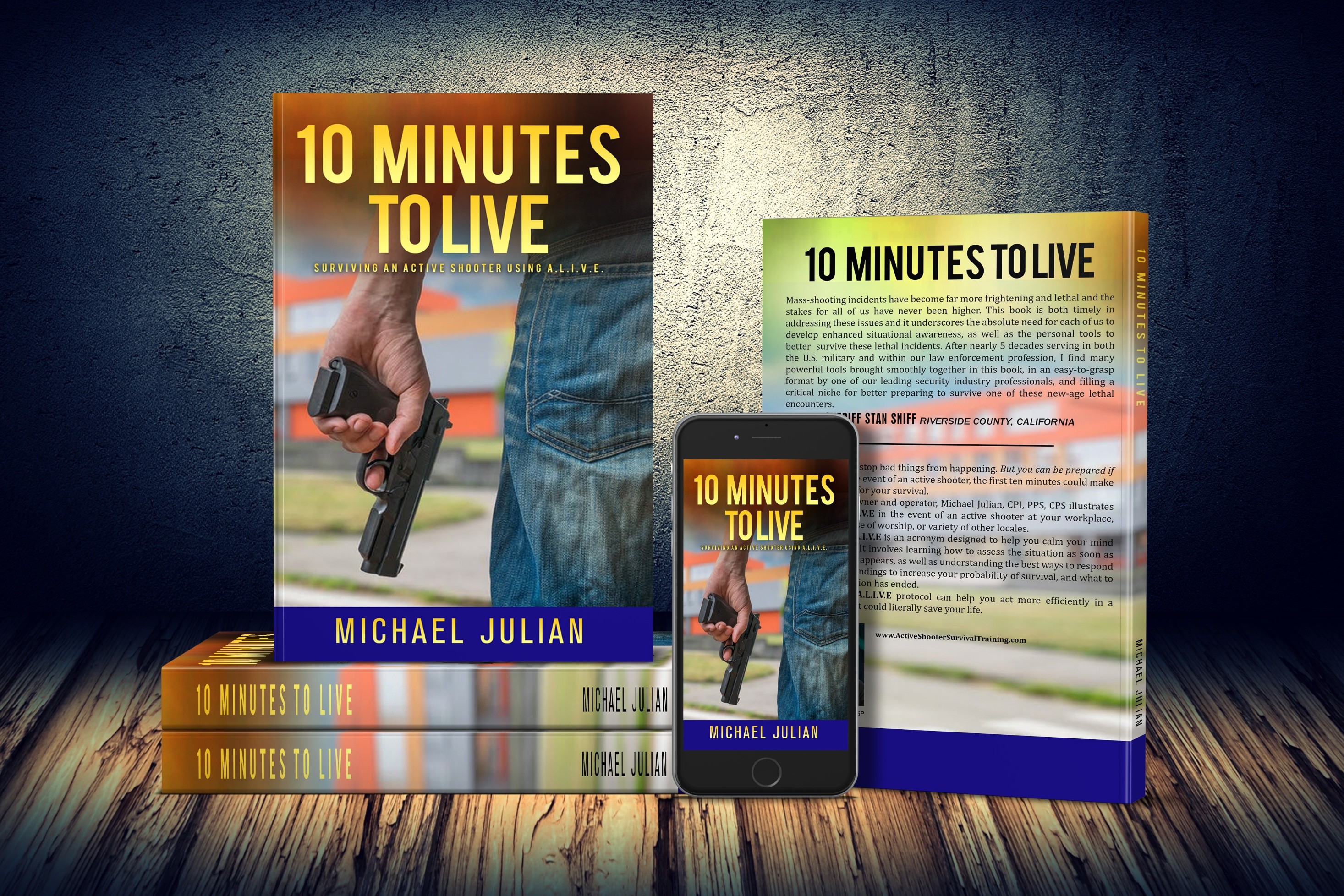
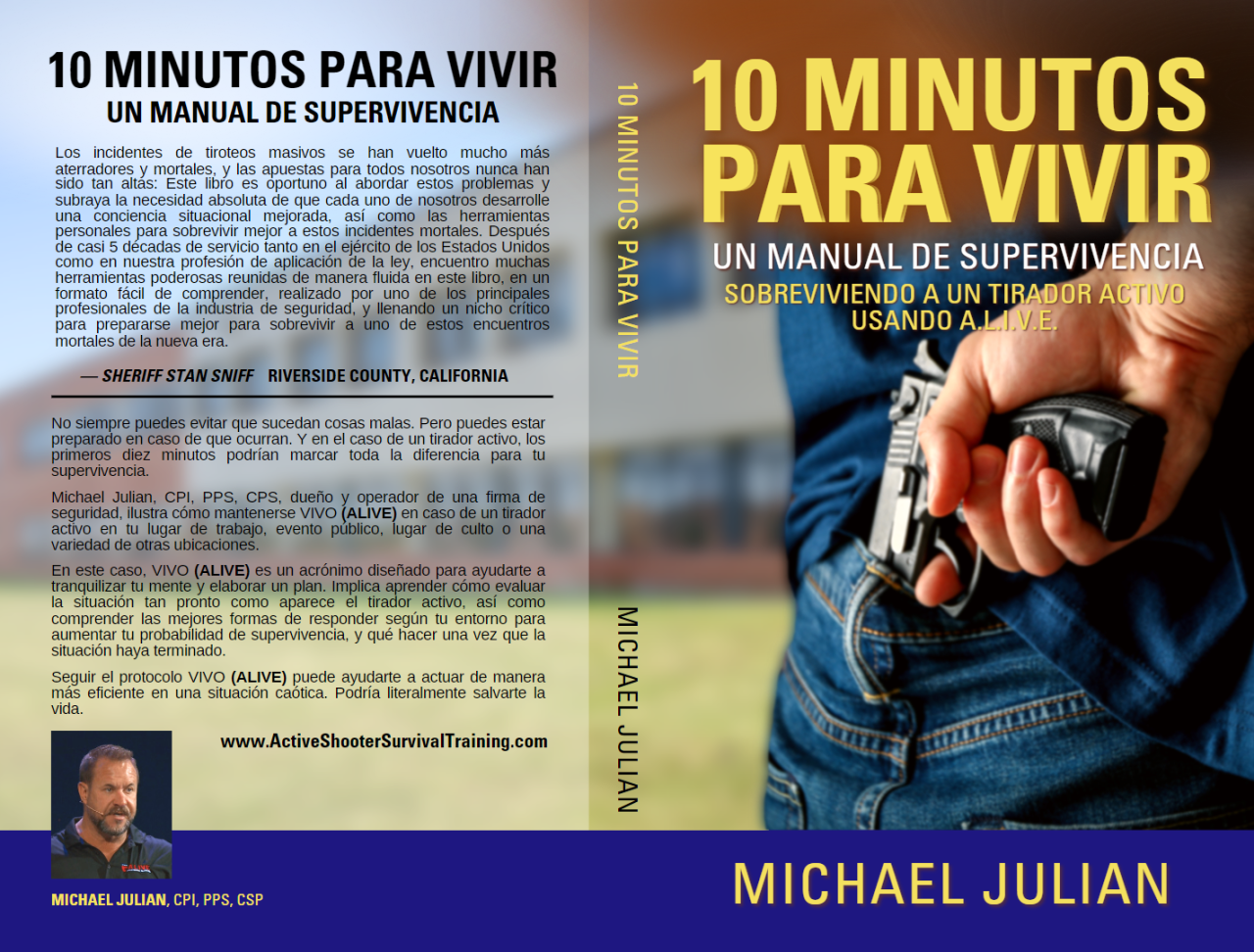
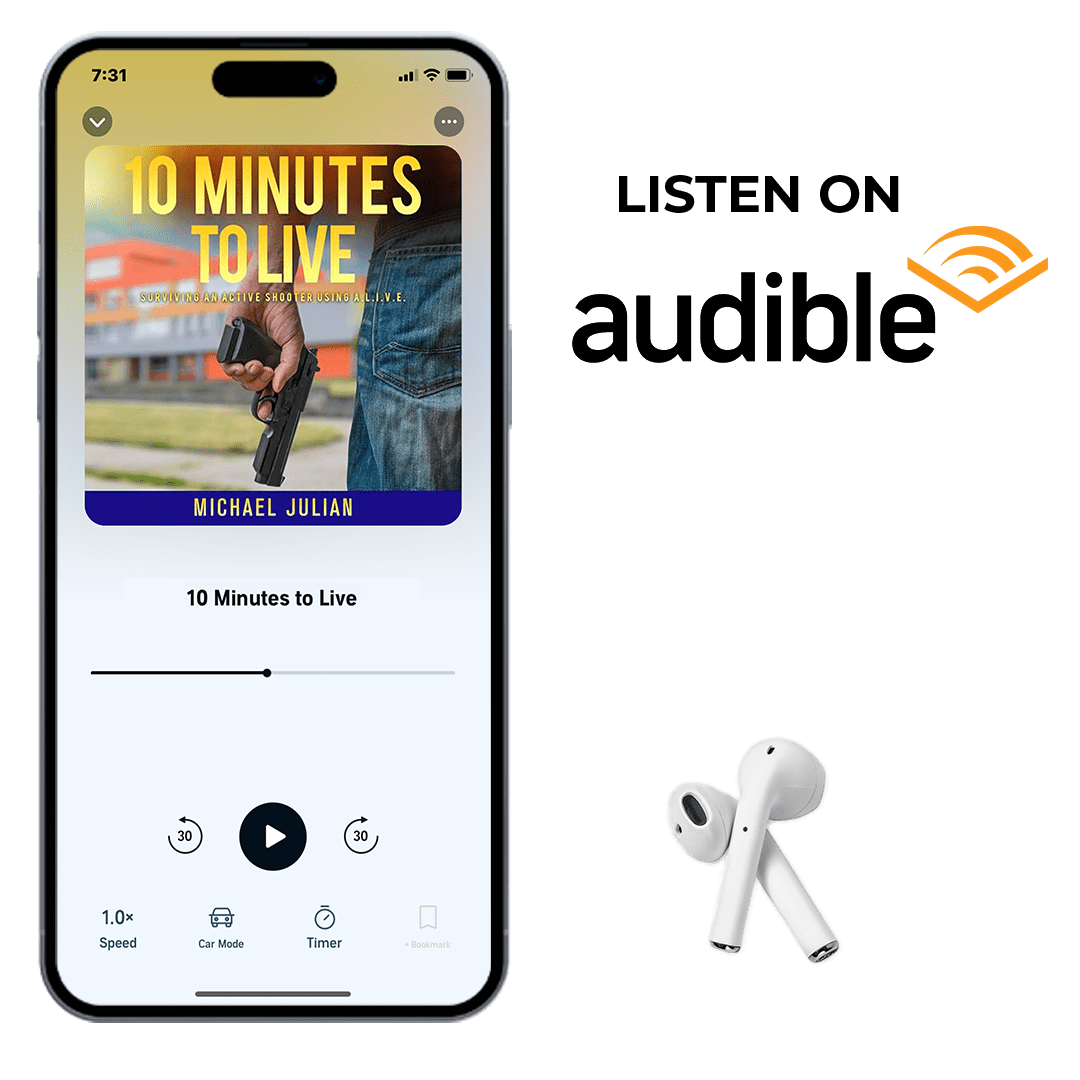
ALSO AVAILABLE FOR AUDIO DOWNLOAD, E-BOOK, AND PAPERBACK / HARDCOVER ON AMAZON


Hear From An A.L.I.V.E. Student Survivor Of The Las Vegas Massacre
"As a retired 32 year law enforcement veteran, with several years of SWAT and tactical experience, I learned some different unique perspectives as it pertains to civilians dealing with active threat situations. Very good class for civilians who may have never experienced reacting to a life and death stressful situation."
- Christopher C.
A.L.I.V.E. STANDS FOR:
Assess
Assess the situation quickly
Leave
Leave the area if you can
Impede
Impede the shooter
Violence
Violence may be necessary
Expose
Expose your position carefully for safety
INDUSTRIES WE SERVE
Corporations
Government
Healthcare
Places of worship
Schools & Universities
Venues
MICHAEL JULIAN
Creator of A.L.I.V.E.
A.L.I.V.E., which stands for Assess, Leave, Impede, Violence, and Expose, was created in 2014 when Michael began teaching his Active Shooter Survival philosophy throughout the United States. His book on the subject, 10 Minutes to Live: Surviving an Active Shooter Using A.L.I.V.E. was published in 2017 and the online version of the A.L.I.V.E. Training Program was launched in 2019 and is now part of the corporate security training program for companies throughout the world.

Why A.L.I.V.E. Active Shooter
Survival Training Program?
The A.L.I.V.E. Active Shooter Survival Training Program is a comprehensive training program designed to provide individuals with the necessary skills and knowledge to survive an active shooter incident. Its emphasis on situational awareness and decision-making makes it a practical and effective approach to active shooter situations. By empowering individuals to take proactive measures to protect themselves and others, the program can help prevent tragedies and save lives.