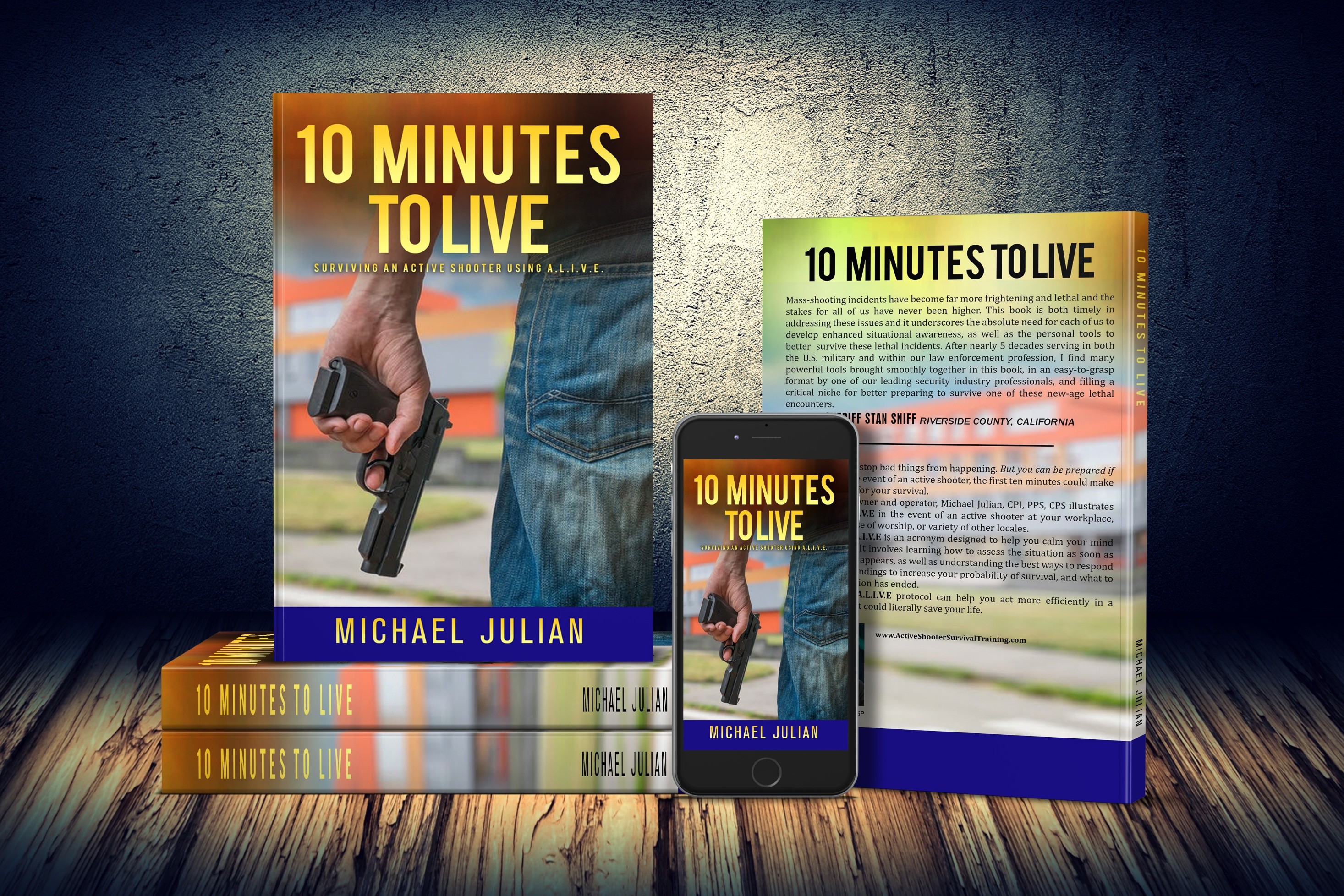
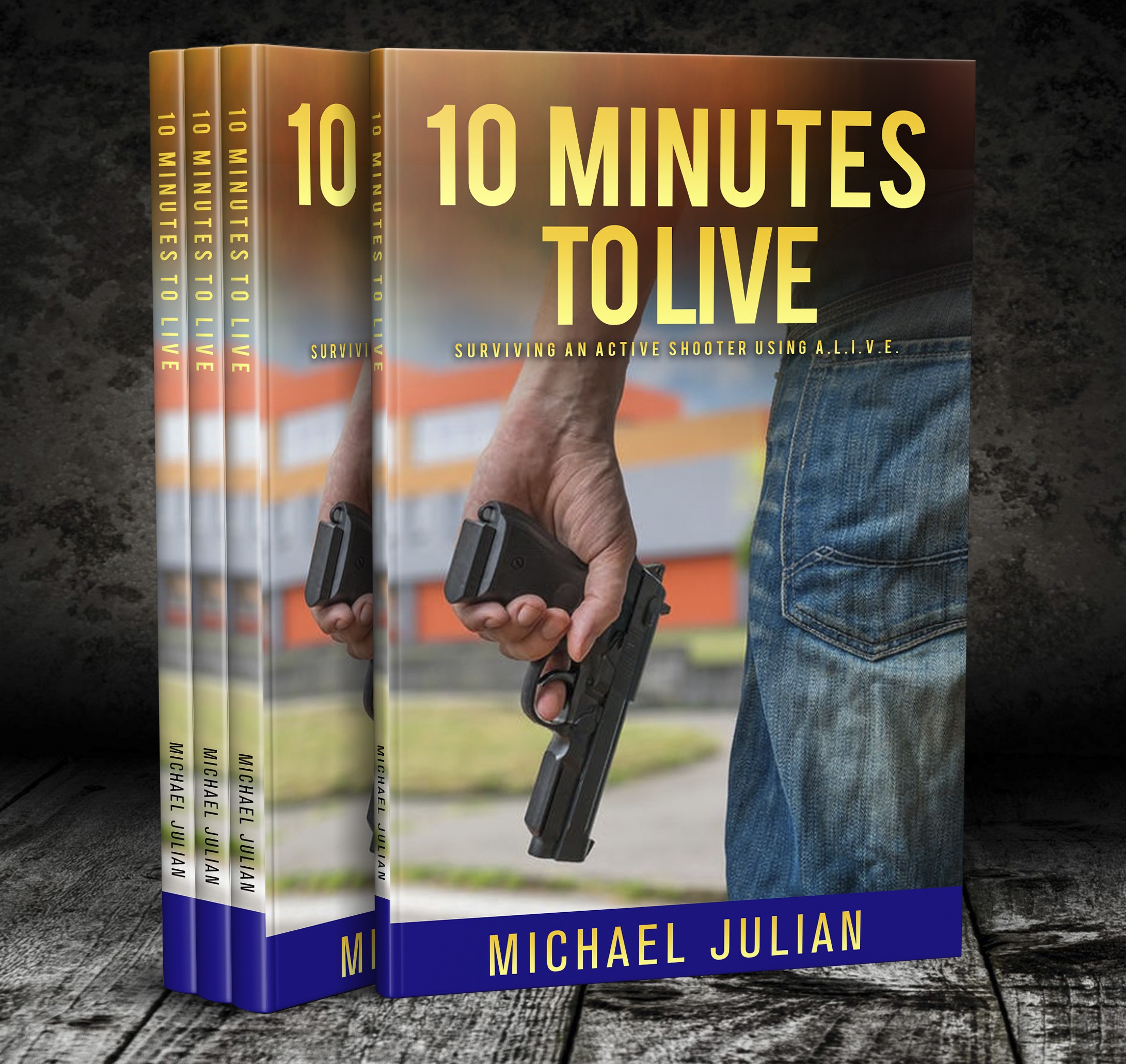
"Michael Julian has written an excellent book. Practical, detailed, and a potential life saver if you find yourself in the midst of a targeted attack."
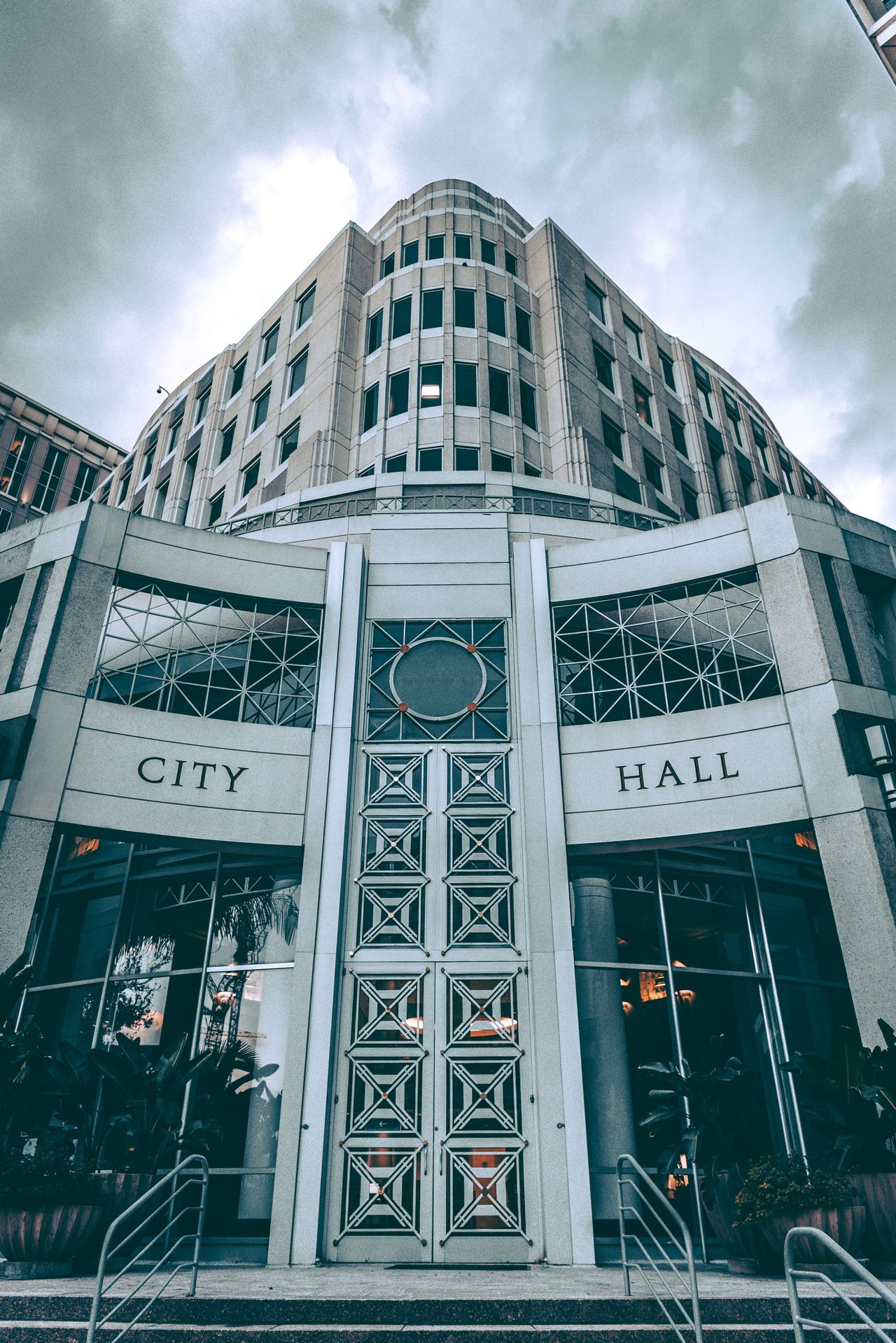
Active Shooter Training for City Halls and Municipal Government Offices: A 2026 Preparedness Guide
Active shooter training for city halls is preparedness instruction that teaches municipal employees how to recognize a developing threat, decide quickly between escaping, hiding, and defending, and act without waiting for direction. It is built for a workplace that cannot lock its doors, because a city hall is legally and practically obligated to stay open to the public.
That obligation is the heart of the problem. A permitting counter, a utility billing window, a code enforcement office, and a council chamber all exist to bring residents face to face with government, often on the worst day those residents are having. In our 30 years of training, we have found that venues with the least control over who walks in benefit most, and municipal buildings sit near the top of that list.
Why are municipal offices a distinct risk environment?
Most workplace security models assume some ability to screen, restrict, or turn people away. Local government cannot rely on that. Public records requests, tax payments, permit applications, and open meetings all require public access, and the people arriving are frequently in conflict with the agency itself. A denied permit, a condemned property, a shut-off notice, or a zoning decision are not abstractions to the person on the other side of the counter.
The federal data confirms that government facilities remain a recurring category. The FBI designated 24 shootings as active shooter incidents in 2024, and three of those occurred in the government category (FBI, 2025). Across the five years from 2020 through 2024, the FBI designated 223 active shooter incidents in the United States (FBI, 2025). The annual count moves up and down, but the exposure for open-access public buildings does not go away.
There is a second structural issue. Municipal staff are trained to be helpful, patient, and de-escalating, which is exactly right for the other 99.9 percent of interactions. That same instinct can delay the decision to move when something is genuinely wrong, because the trained reflex is to keep talking. Training has to give employees permission to stop being helpful and start being safe.
What does an effective municipal program actually cover?
A program that works for a city hall has to account for the building's real layout and the real jobs people do in it. That means separate guidance for a clerk at an open counter, a records employee in a back office, a public works crew at a satellite yard, and a clerk staffing an evening council meeting where the public is seated in rows.
The core elements we cover:
Situational awareness at the counter. Front-line staff are the earliest sensors in the building. They learn what escalation actually looks like and what to do with that observation before it becomes an emergency.
Escape as the first option. Knowing every exit, including service corridors and loading areas, and being willing to leave belongings and a workstation behind.
Denying access when escape is not possible. Which doors lock, which do not, what furniture is heavy enough to matter, and how to make an office look and sound empty.
Defending as a last resort. What ordinary objects in a municipal office can be used, and how a group of people acting together changes the outcome.
Interacting with responding officers. What arriving deputies and police will do first, and why they may move past injured people.
Public meeting scenarios. A room full of seated residents, a single main door, and an elected body at the front is a distinct problem that deserves its own walkthrough.
Front-counter employees are usually the first to sense that something is off, and teaching them behavior that signals someone is escalating turns a vague uneasiness into a reportable observation. Most municipal violence is preceded by a pattern of contacts, complaints, or statements that somebody in the building noticed and nobody wrote down.
How is this different from the annual safety training we already do?
Many municipalities already run fire drills, hurricane readiness briefings, and an annual workplace violence video required by their insurer or risk pool. Those are useful, and they are not the same thing. A compliance video communicates policy. Survival training builds a decision under stress, when hearing is degraded, hands are shaking, and no supervisor is available to ask.
This is why survival training is not the same as a safety drill. A drill tells people where to go. Survival training prepares people to choose when the plan does not fit the situation in front of them, which is what actually happens in these events.
Who in a municipality should be trained?
Everyone who occupies the building, not just the department heads who attend the safety committee. That includes clerks, permitting and inspection staff, utility billing, parks and recreation employees, library staff in a shared building, seasonal and part-time workers, contracted custodial and security personnel, and elected officials who sit in public meetings. Volunteers who staff information desks should be included as well, because during an event nobody checks a badge.
For agencies with multiple facilities, we generally recommend training a core group of internal instructors so the material stays current as staff turn over, rather than treating preparedness as a one-time event that expires quietly.
Frequently asked questions
Why do city halls need active shooter training if they have security at the door? Very few municipal buildings have screening at every public entrance, and even where screening exists it protects only the space behind it. Counters, lobbies, and parking areas remain open, so employees still need to know how to act on their own in the first moments.
What should a city employee do first in an active shooter situation? The first priority is to get away from the threat if there is a safe path, moving toward the nearest exit and taking anyone who can move along. If leaving is not possible, the next step is to get out of sight behind something solid, silence phones, and stay quiet until law enforcement arrives.
How do you plan for a public meeting where residents are seated together? Public meetings need their own walkthrough because the room usually has limited exits and an audience facing forward. Planning covers where staff and officials can move, which secondary doors are usable, and how to get people out of rows quickly without creating a bottleneck.
How long does training take, and does it disrupt operations? Most municipal sessions are delivered in a few hours and can be scheduled in shifts so counters stay staffed. Many agencies run the training on a light service day or during an existing all-staff meeting.
Should elected officials attend the same training as staff? Yes. Council and commission members are present in the building's highest-exposure setting, the public meeting, and they need the same decision framework as employees. Shared training also removes confusion about who is directing what during an emergency.
Can a city train its own instructors instead of bringing someone in each year? Yes. Certifying internal instructors is often the most sustainable approach for agencies with several facilities and steady turnover, because it keeps the training available for new hires year-round.
Bring preparedness to your municipal team
If your city, town, or special district has open public counters and regular public meetings, your staff deserve more than a policy memo. To discuss a program built around your buildings and your workforce, contact A.L.I.V.E. Active Shooter Survival Training.
About the author
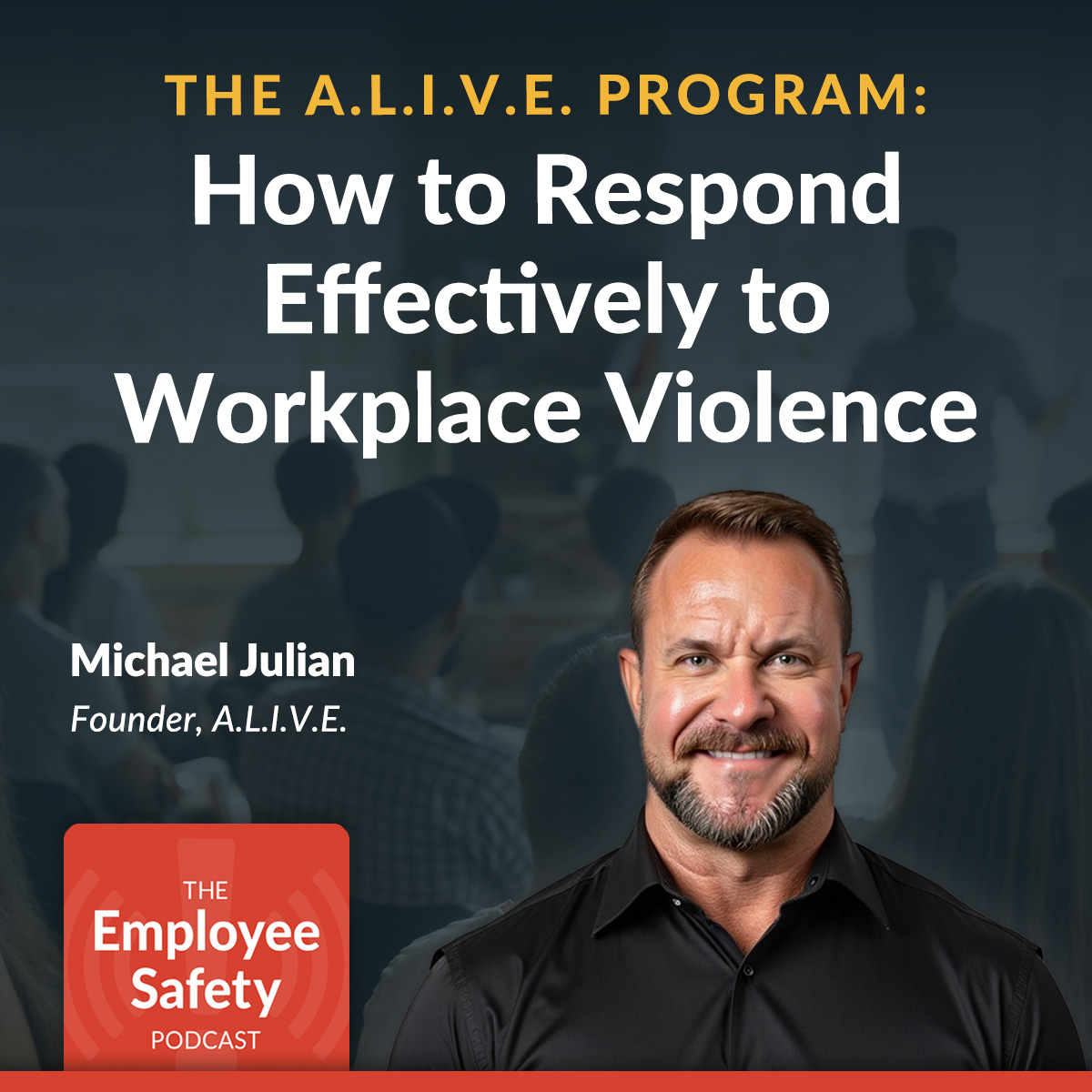
Michael D. Julian brings more than 30 years of experience in security, protection, and investigations. He served as President of the California Association of Licensed Investigators (CALI) from 2005 to 2015 and is the creator of the A.L.I.V.E. Active Shooter Survival Training program. Connect with him on LinkedIn.
LEARN HOW TO SURVIVE AN ACTIVE SHOOTER!
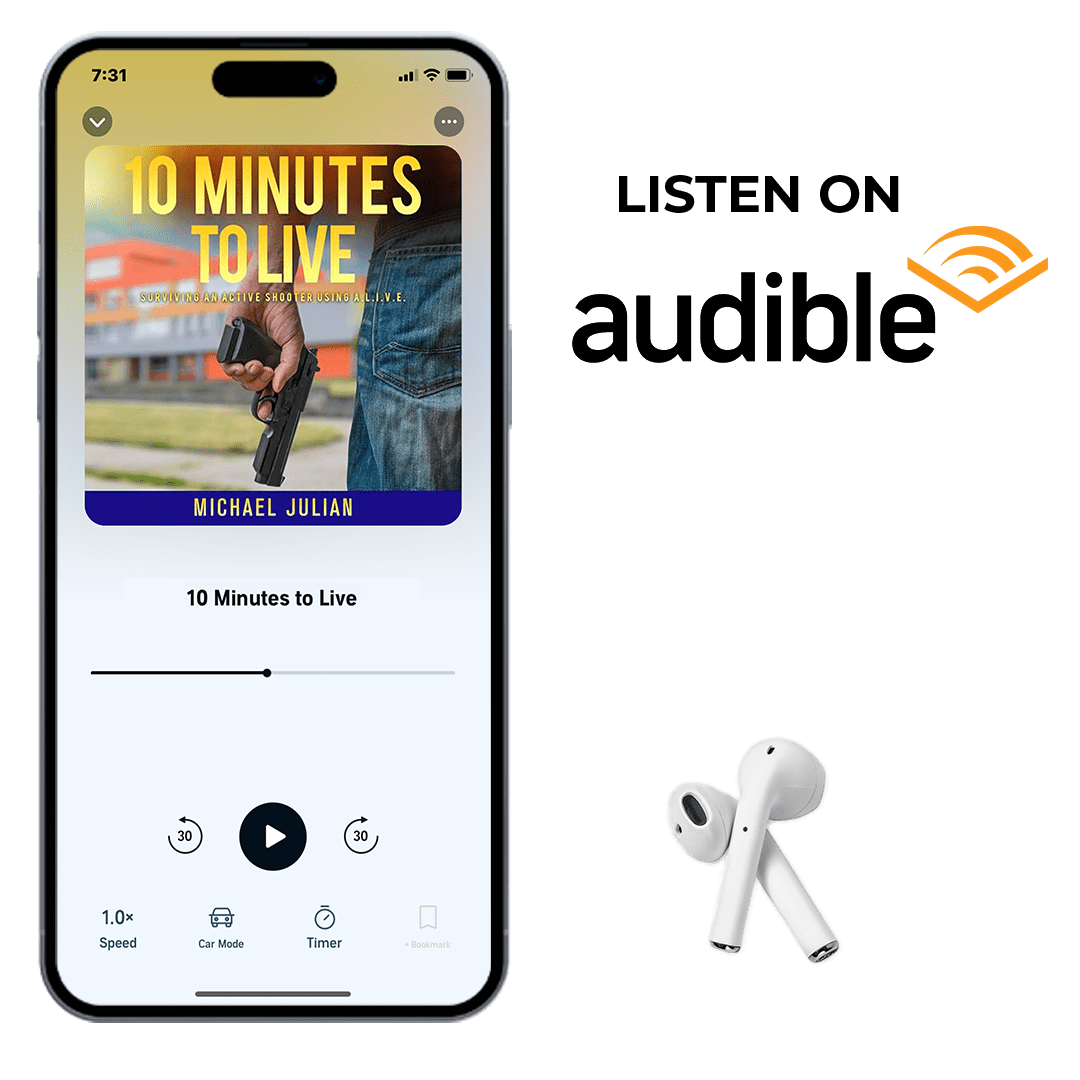
ALSO AVAILABLE FOR AUDIO DOWNLOAD, E-BOOK, AND PAPERBACK / HARDCOVER ON AMAZON

Hear From An A.L.I.V.E. Student Survivor Of The Las Vegas Massacre
"As a retired 32 year law enforcement veteran, with several years of SWAT and tactical experience, I learned some different unique perspectives as it pertains to civilians dealing with active threat situations. Very good class for civilians who may have never experienced reacting to a life and death stressful situation."
- Christopher C.
A.L.I.V.E. STANDS FOR:
Assess
Assess the situation quickly
Leave
Leave the area if you can
Impede
Impede the shooter
Violence
Violence may be necessary
Expose
Expose your position carefully for safety
INDUSTRIES WE SERVE
Corporations
Government
Healthcare
Places of worship
Schools & Universities
Venues
MICHAEL JULIAN
Creator of A.L.I.V.E.
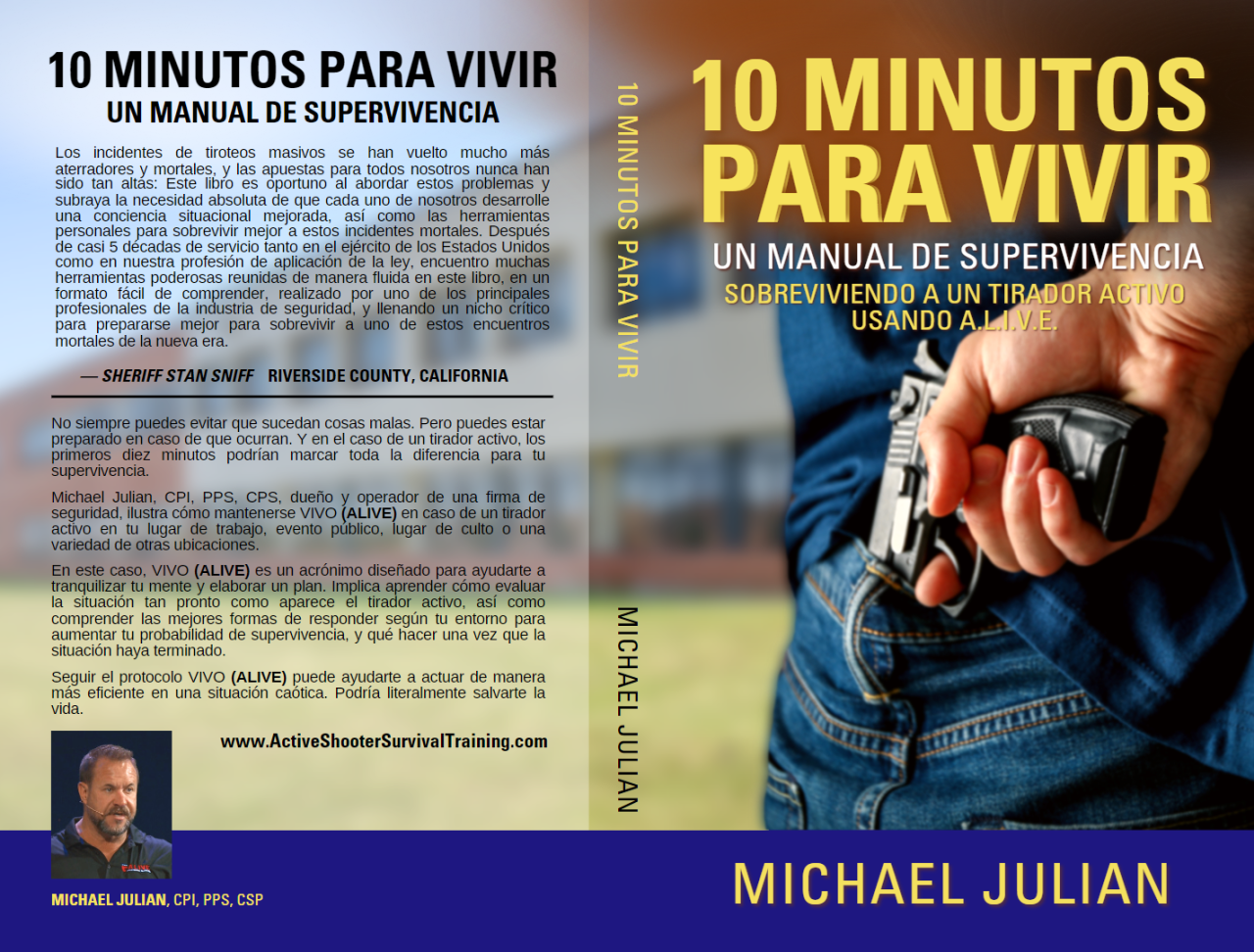
A.L.I.V.E., which stands for Assess, Leave, Impede, Violence, and Expose, was created in 2014 when Michael began teaching his Active Shooter Survival philosophy throughout the United States. His book on the subject, 10 Minutes to Live: Surviving an Active Shooter Using A.L.I.V.E. was published in 2017 and the online version of the A.L.I.V.E. Training Program was launched in 2019 and is now part of the corporate security training program for companies throughout the world.

Why A.L.I.V.E. Active Shooter
Survival Training Program?
The A.L.I.V.E. Active Shooter Survival Training Program is a comprehensive training program designed to provide individuals with the necessary skills and knowledge to survive an active shooter incident. Its emphasis on situational awareness and decision-making makes it a practical and effective approach to active shooter situations. By empowering individuals to take proactive measures to protect themselves and others, the program can help prevent tragedies and save lives.