"Michael Julian has written an excellent book. Practical, detailed, and a potential life saver if you find yourself in the midst of a targeted attack."
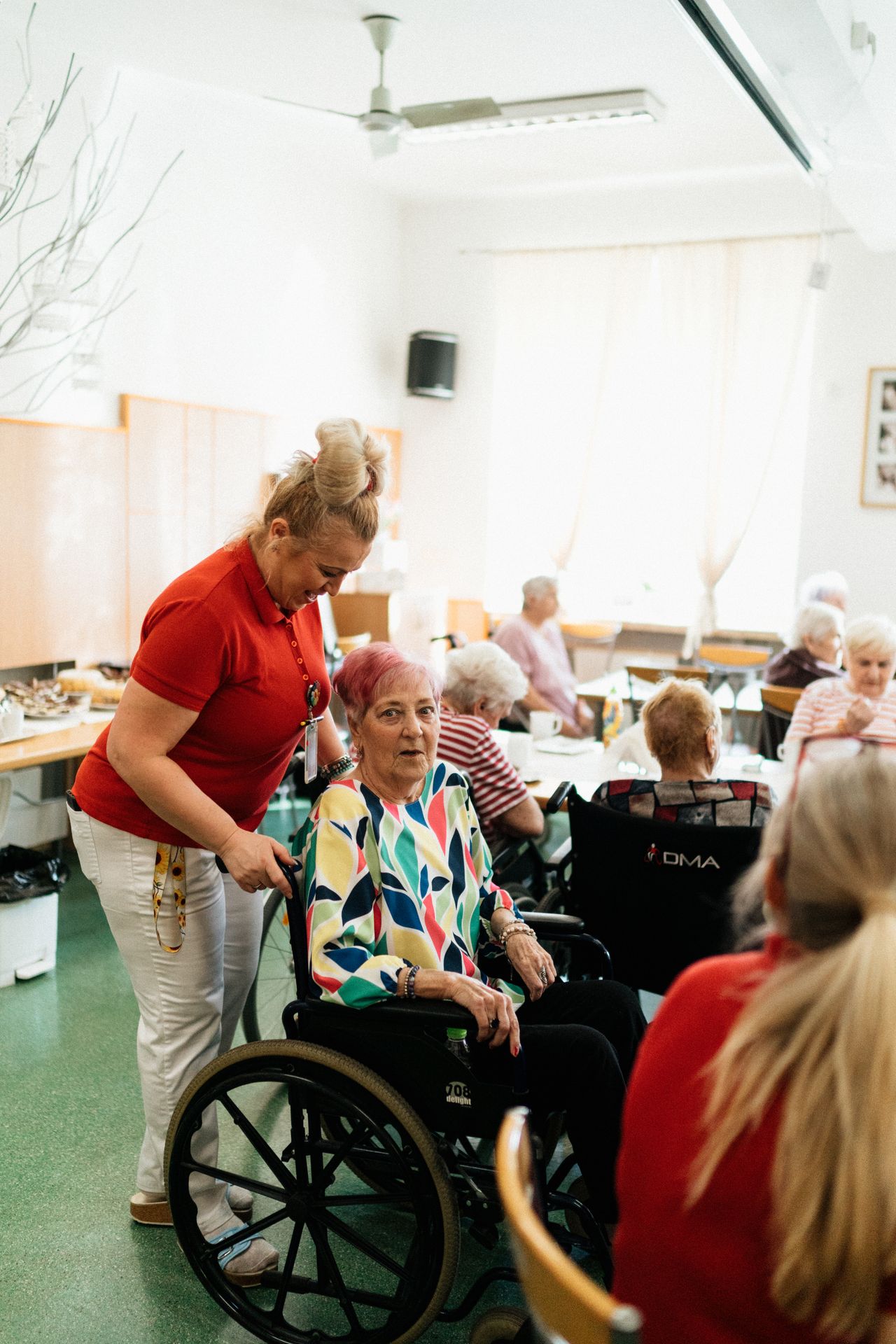
Active Shooter Training for Assisted Living and Senior Care
Active shooter training for assisted living facilities is specialized instruction that prepares staff to protect residents who often cannot run, hide quickly, or defend themselves during a violent attack. Unlike an office or a retail store, a senior care community is full of people with limited mobility, cognitive impairment, and medical dependencies, which means the standard "Run, Hide, Fight" model has to be adapted rather than applied word for word. For administrators, the goal is a plan that works for the residents who actually live in the building.
The threat is not theoretical. The FBI designated 24 shootings as active shooter incidents in 2024, a 50 percent decrease from the 48 recorded in 2023, with incidents spread across open spaces, commerce, education, government, and houses of worship (FBI, 2025). Even in a year of decline, the data confirms that attacks happen in everyday places where people gather. Senior care settings combine large populations, predictable routines, and limited evacuation capacity, which is exactly why preparedness cannot be left to chance.
Why senior care facilities are uniquely vulnerable
On any given day in 2022, about 1,016,400 residents lived in residential care communities across the United States, according to the National Center for Health Statistics (NCHS Data Brief No. 506, 2024). These are open, welcoming environments by design. Families come and go, vendors deliver supplies, and many doors stay unlocked during the day to support resident dignity and movement.
That openness creates real exposure. A disgruntled former employee, an estranged family member in a guardianship dispute, or a resident in crisis can all become a threat. In our 30 years of training organizations to survive violent encounters, we have found that the facilities most at risk are the ones that assume "it could never happen here." Senior care communities also face the added complication that an evacuation order, which would clear most buildings in minutes, may take far longer when residents use walkers, wheelchairs, or are bedbound.
How does active shooter response change when residents cannot run?
The core principles still apply, but the execution shifts. In a senior care facility, "run" often becomes "move the people you can and shelter the people you cannot." Staff need to know which residents can be relocated quickly, which require assistance, and which are safest sheltering in place behind a locked door.
A workable plan addresses three realities at once. First, mobility: staff should pre-identify residents who need physical assistance and assign responsibility so no one is forgotten in a crisis. Second, cognition: residents with dementia may not understand instructions or may wander toward danger, so quiet, controlled lockdown often beats loud evacuation. Third, communication: many residents have hearing loss, so alerts cannot rely on a single audible alarm. Training that ignores these factors gives staff a script that falls apart the moment it is needed.
This is also where many operators discover the gap between compliance and capability. A fire drill teaches orderly exits; it does not teach a caregiver how to barricade a memory care wing or make a survival decision under gunfire. Understanding how survival training differs from a standard safety briefing is the first step toward closing that gap.
What should an assisted living active shooter plan include?
A strong plan for a senior care community generally covers the following elements:
1.        Lockdown procedures for resident rooms, common areas, dining halls, and memory care units, with hardware that allows doors to be secured from the inside.
2.        Role assignments so each shift knows who assists residents, who calls 911, and who directs first responders on arrival.
3.        Communication methods that reach staff and residents with hearing or cognitive impairments, including visual and tactile cues, not just an alarm tone.
4.        Coordination with local law enforcement and emergency medical services, including shared floor plans and access information.
5.        Recurring, scenario-based drills that rehearse the actual building, not a generic template.
The plan should be a living document reviewed at least annually and after any staffing or layout change.
Why staff awareness is the first line of defense
Most attacks are not random. Many attackers display observable changes in behavior or make concerning statements before they act, which means alert staff can sometimes interrupt an attack in the planning stage. Front desk attendants, caregivers, and housekeeping staff spend all day with residents and visitors, and they are often the first to sense that something is wrong.
Teaching teams to recognize and report the warning signs that often surface before an attack turns an entire workforce into an early-detection network. A clear, blame-free reporting process matters just as much as the training itself, because staff will only escalate concerns when they trust that the concern will be taken seriously. Employers also have a general obligation under the Occupational Safety and Health Act's General Duty Clause to provide a workplace free from recognized hazards, and workplace violence preparedness increasingly falls under that umbrella.
Frequently asked questions
Is active shooter training appropriate for senior care staff who are not security professionals?
Yes. The training is designed for ordinary employees, not security specialists. Caregivers, nurses, dietary workers, and administrative staff all learn practical decisions they can make under pressure, scaled to the people they serve.
How is training adapted for residents with dementia or limited mobility?
Instruction focuses on what staff can realistically do, such as quiet lockdown, securing wings, and assisting non-ambulatory residents, rather than expecting fast mass evacuation. The plan is built around the building's real population and layout.
How often should a facility train and drill?
Most experts recommend live training for new hires during onboarding and recurring refreshers at least annually, with scenario-based drills conducted in the actual facility. Frequent, realistic practice builds the muscle memory that holds up during a real event.
Does a fire evacuation plan cover an active shooter situation?
No. Fire plans move everyone toward exits, which can send people directly toward a threat during an attack. Active shooter response requires separate procedures, including lockdown and shelter-in-place options.
Can training help with other emergencies too?
Yes. The situational awareness, communication, and decision-making skills taught in survival training also strengthen a facility's response to medical emergencies, severe weather, and intruder situations of any kind.
Protect the residents who depend on you
Senior care administrators carry a responsibility that few other industries face: protecting people who cannot protect themselves. A realistic, building-specific active shooter plan, paired with training that prepares staff to act, is one of the most important investments a facility can make. To discuss training built for your community's residents, staff, and layout, contact A.L.I.V.E. Active Shooter Survival Training to start the conversation.
About the author
Michael D. Julian is the creator of the A.L.I.V.E. Active Shooter Survival Training program and brings more than 30 years of experience in security and protection. He served as President of the California Association of Licensed Investigators (CALI) from 2005 to 2015 and has trained organizations across healthcare, education, hospitality, and senior care to prepare for and survive violent encounters. Connect with Michael on LinkedIn.
LEARN HOW TO SURVIVE AN ACTIVE SHOOTER!
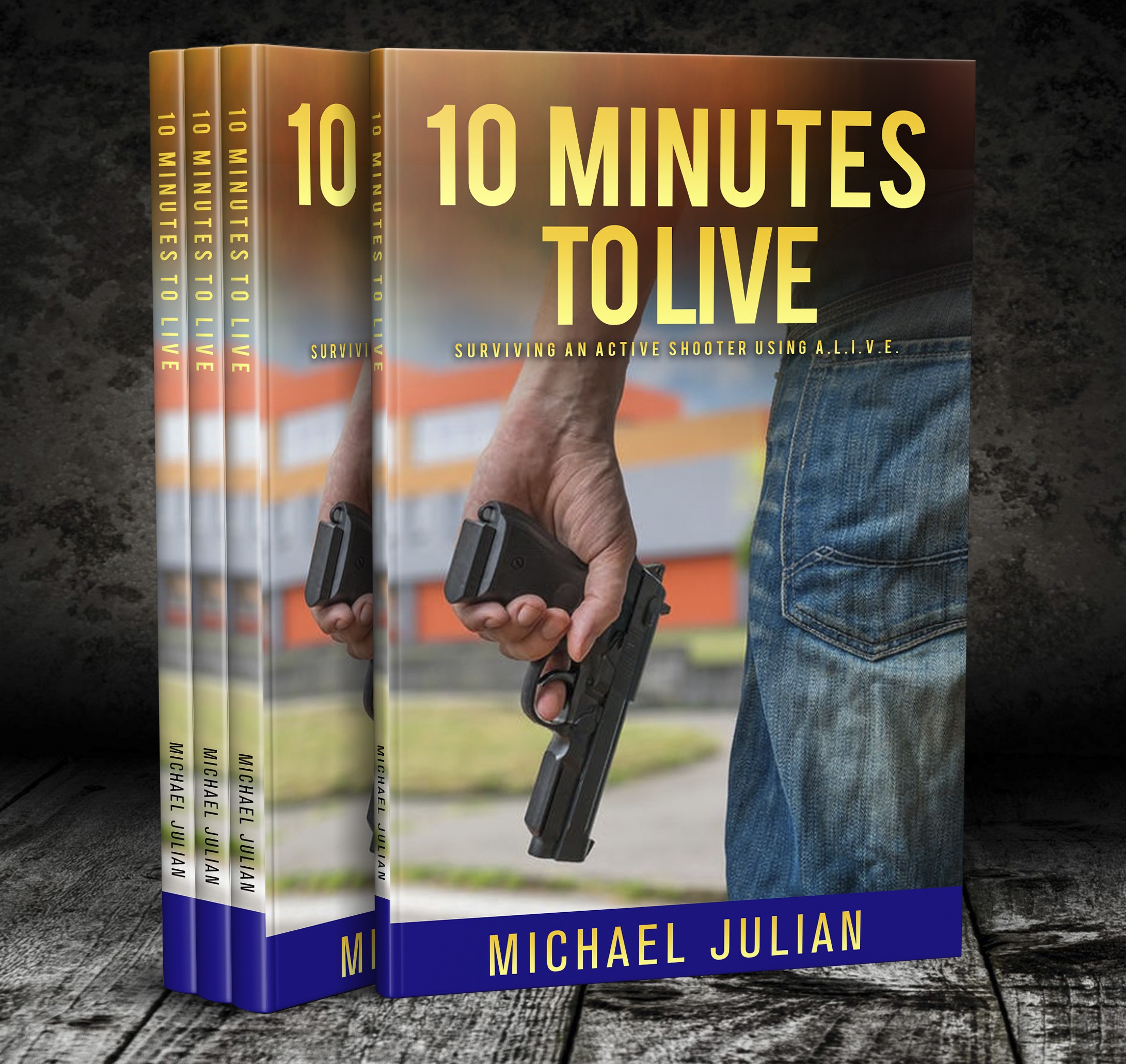
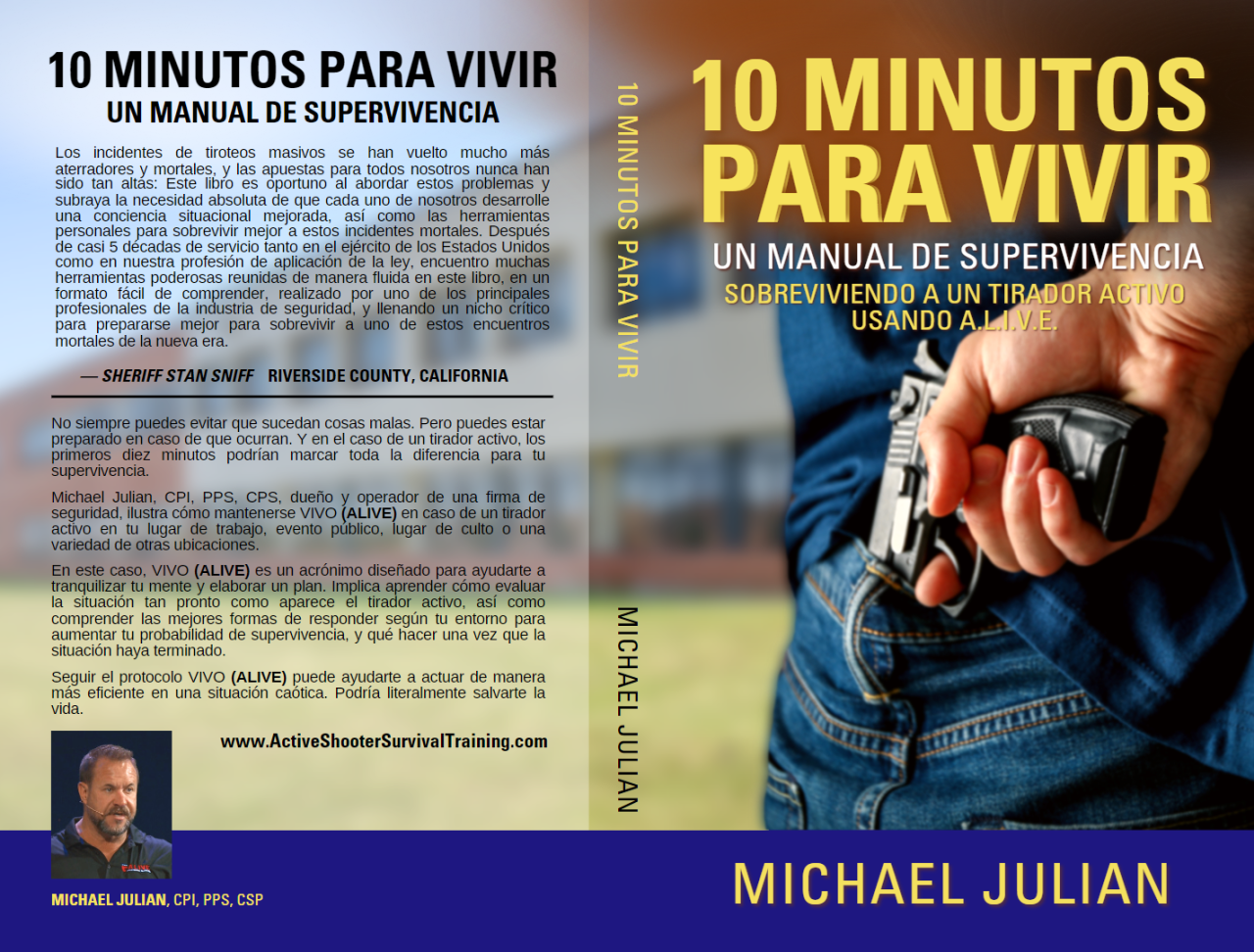
ALSO AVAILABLE FOR AUDIO DOWNLOAD, E-BOOK, AND PAPERBACK / HARDCOVER ON AMAZON



Hear From An A.L.I.V.E. Student Survivor Of The Las Vegas Massacre
"As a retired 32 year law enforcement veteran, with several years of SWAT and tactical experience, I learned some different unique perspectives as it pertains to civilians dealing with active threat situations. Very good class for civilians who may have never experienced reacting to a life and death stressful situation."
- Christopher C.
A.L.I.V.E. STANDS FOR:
Assess
Assess the situation quickly
Leave
Leave the area if you can
Impede
Impede the shooter
Violence
Violence may be necessary
Expose
Expose your position carefully for safety
INDUSTRIES WE SERVE
Corporations
Government
Healthcare
Places of worship
Schools & Universities
Venues
MICHAEL JULIAN
Creator of A.L.I.V.E.
A.L.I.V.E., which stands for Assess, Leave, Impede, Violence, and Expose, was created in 2014 when Michael began teaching his Active Shooter Survival philosophy throughout the United States. His book on the subject, 10 Minutes to Live: Surviving an Active Shooter Using A.L.I.V.E. was published in 2017 and the online version of the A.L.I.V.E. Training Program was launched in 2019 and is now part of the corporate security training program for companies throughout the world.

Why A.L.I.V.E. Active Shooter
Survival Training Program?
The A.L.I.V.E. Active Shooter Survival Training Program is a comprehensive training program designed to provide individuals with the necessary skills and knowledge to survive an active shooter incident. Its emphasis on situational awareness and decision-making makes it a practical and effective approach to active shooter situations. By empowering individuals to take proactive measures to protect themselves and others, the program can help prevent tragedies and save lives.