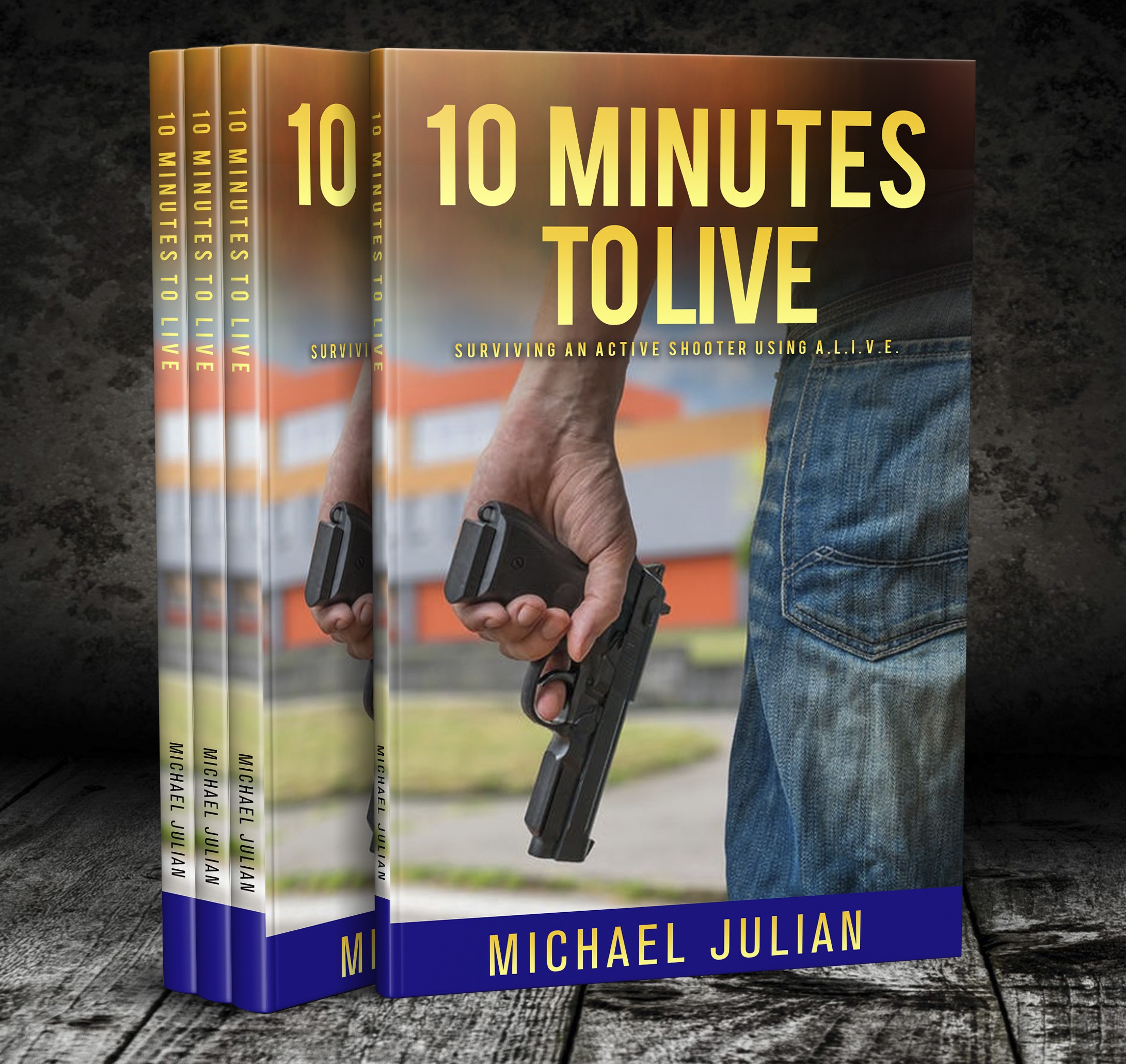
"Michael Julian has written an excellent book. Practical, detailed, and a potential life saver if you find yourself in the midst of a targeted attack."

How Training Changes Instincts Before Violence Starts
Most people believe instinct is something you are born with. They assume that in a dangerous situation, instinct will take over and guide the right response. In reality, instinct is shaped by experience, repetition, and conditioning. What people do under stress is rarely accidental. It is learned.
Survival training works long before violence begins. It changes how the brain recognizes threats, processes information, and initiates action under pressure.
Instinct Is Not Automatic
In moments of danger, the brain does not invent new behaviors. It defaults to familiar ones. Without training, those defaults are hesitation, confusion, and inaction. This is not weakness. It is human biology.
Instinct is simply the brain choosing the fastest available option. Training determines what options exist.
The Brain Under Stress
When violence emerges, the brain shifts into survival mode. This shift affects:
-
Perception
-
Memory
-
Decision-making
-
Reaction time
-
Motor skills
Without preparation, this stress response overwhelms rational thought. People wait for confirmation, look to others for cues, or hope the situation resolves itself.
Training accounts for this shift. It prepares the brain to function inside stress, not outside of it.
Recognition Happens Before Reaction
Violence rarely begins without warning signs. The problem is not the absence of signals. It is the failure to recognize them quickly.
Training improves early recognition by teaching people to:
-
Identify abnormal behavior
-
Notice environmental changes
-
Assess movement and proximity
-
Understand threat indicators
-
Break denial early
When recognition improves, reaction time improves. Early recognition buys time, and time saves lives.
Conditioning Replaces Panic With Options
Untrained individuals experience panic because they feel out of control. Panic narrows choices. Training expands them.
Survival training conditions individuals to think in options instead of outcomes. Instead of freezing, the brain begins scanning for movement, barriers, exits, and opportunities.
This shift happens before violence fully unfolds.
Decision-Making Beats Strength
Survival is not about size, speed, or force. It is about decisions made under pressure. Training emphasizes:
-
Choosing movement over hesitation
-
Adapting when plans fail
-
Acting with incomplete information
-
Prioritizing escape and positioning
-
Taking responsibility for action
Instinct changes when decision-making is practiced.
Why Scripts Fail and Principles Succeed
Scripted responses assume predictable conditions. Violence is unpredictable. When reality deviates from the script, hesitation returns.
Training that focuses on principles instead of scripts prepares people to adapt. Principles provide direction without limiting response.
This adaptability is what separates survival from paralysis.
Training Before the Moment Matters Most
The most important survival decisions happen before violence reaches full intensity. Once chaos peaks, options narrow quickly.
Training creates familiarity with stress so the brain does not treat danger as entirely new. Familiarity reduces fear and increases function.
Survival training works quietly, long before it is ever needed.
The Takeaway
Instinct is not something people rise to. It is something they fall back on. Training determines what they fall back on.
By changing how people recognize threats, process stress, and make decisions, survival training reshapes instinct before violence starts.
If your organization wants more than awareness and compliance, A.L.I.V.E. provides civilian-focused training that conditions decision-making, shortens hesitation, and prepares people to act decisively when it matters most. Contact us today for a free consultation!
About the Author
Michael D. Julian is President of MPS Security & Protection and a 30-plus-year veteran of the security and investigations industry. He served as President of the California Association of Licensed Investigators (CALI) from 2005 to 2015 and has led executive protection, residential security, and corporate investigations engagements for Fortune 500 principals, high-net-worth families, and public figures across the United States. Connect with Michael on LinkedIn.
LEARN HOW TO SURVIVE AN ACTIVE SHOOTER!
ALSO AVAILABLE FOR AUDIO DOWNLOAD, E-BOOK, AND PAPERBACK / HARDCOVER ON AMAZON



Hear From An A.L.I.V.E. Student Survivor Of The Las Vegas Massacre
"As a retired 32 year law enforcement veteran, with several years of SWAT and tactical experience, I learned some different unique perspectives as it pertains to civilians dealing with active threat situations. Very good class for civilians who may have never experienced reacting to a life and death stressful situation."
- Christopher C.
A.L.I.V.E. STANDS FOR:
Assess
Assess the situation quickly
Leave
Leave the area if you can
Impede
Impede the shooter
Violence
Violence may be necessary
Expose
Expose your position carefully for safety
INDUSTRIES WE SERVE
Corporations
Government
Healthcare
Places of worship
Schools & Universities
Venues
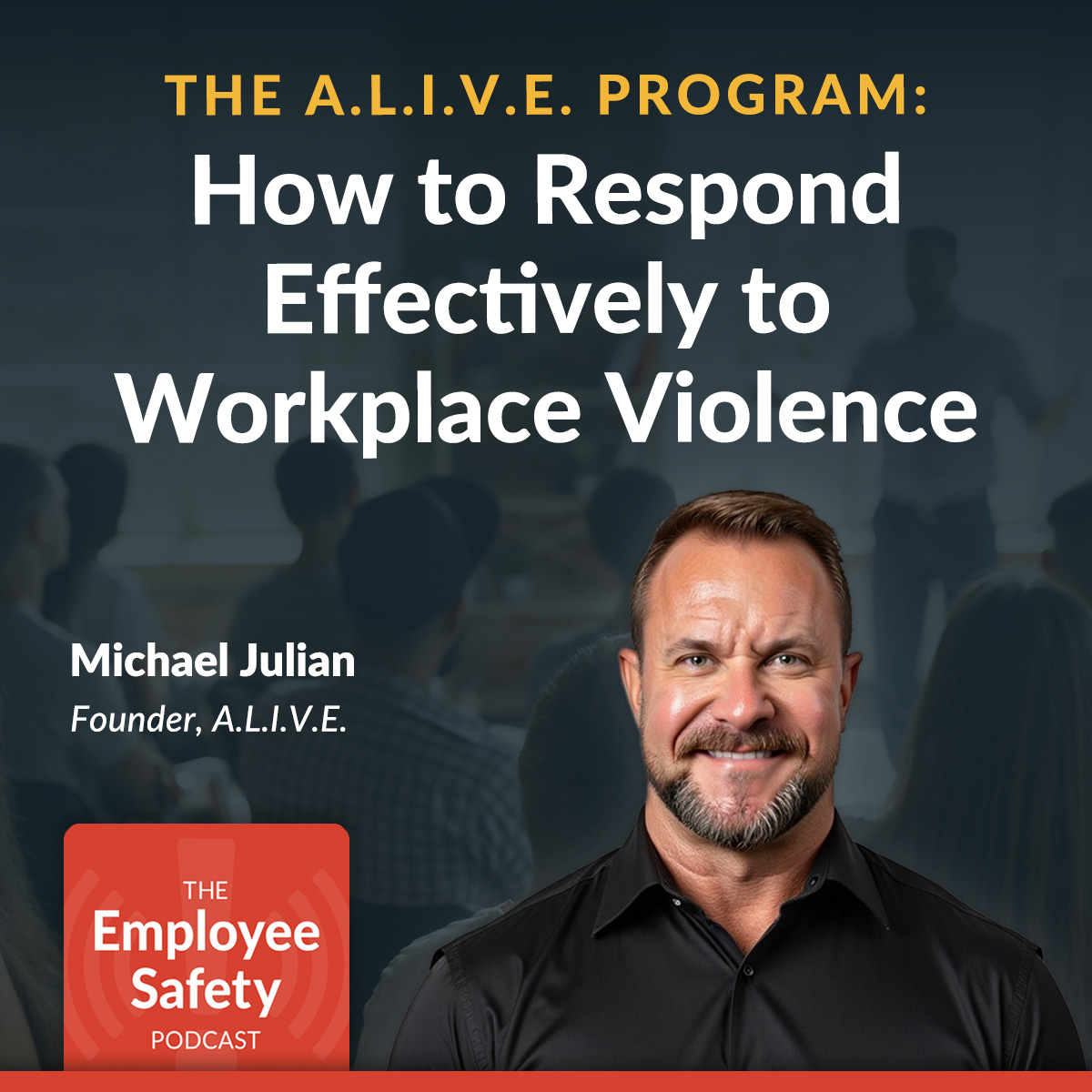
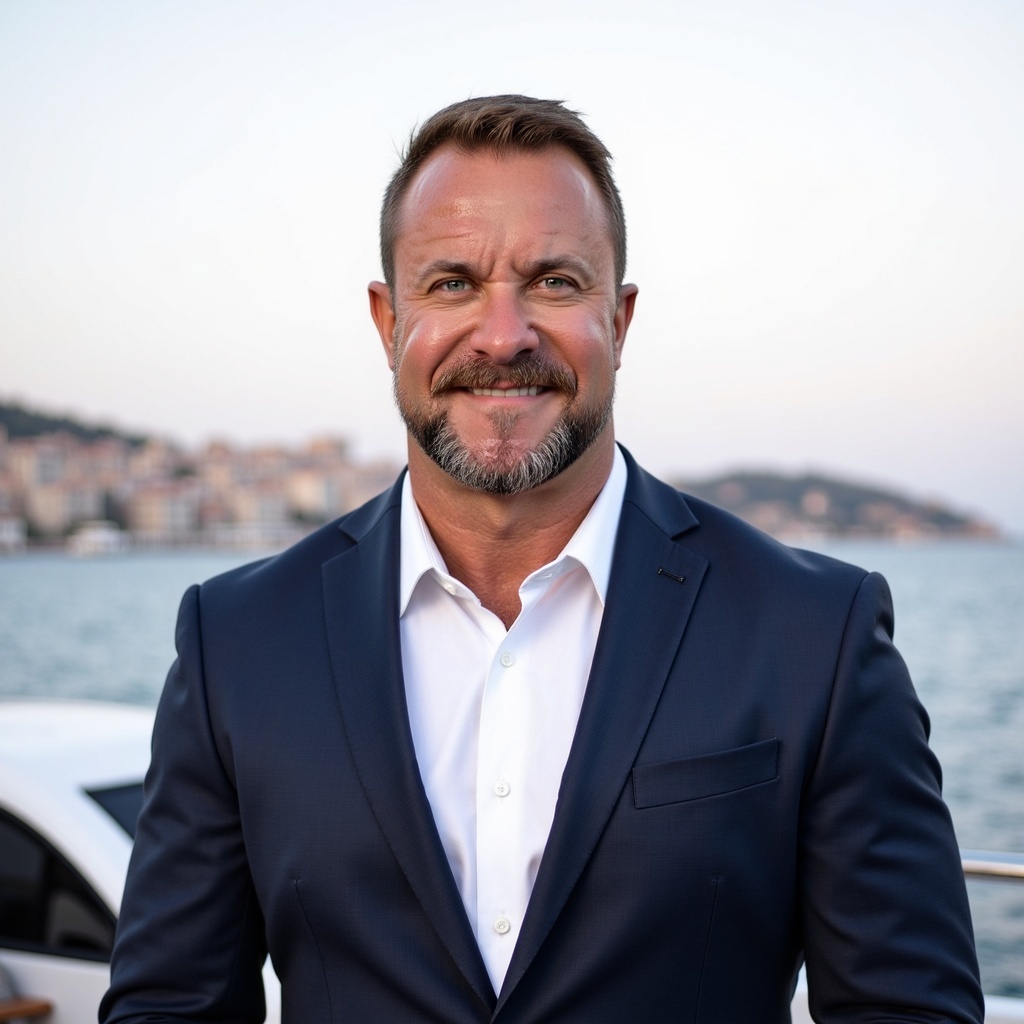
MICHAEL JULIAN
Creator of A.L.I.V.E.
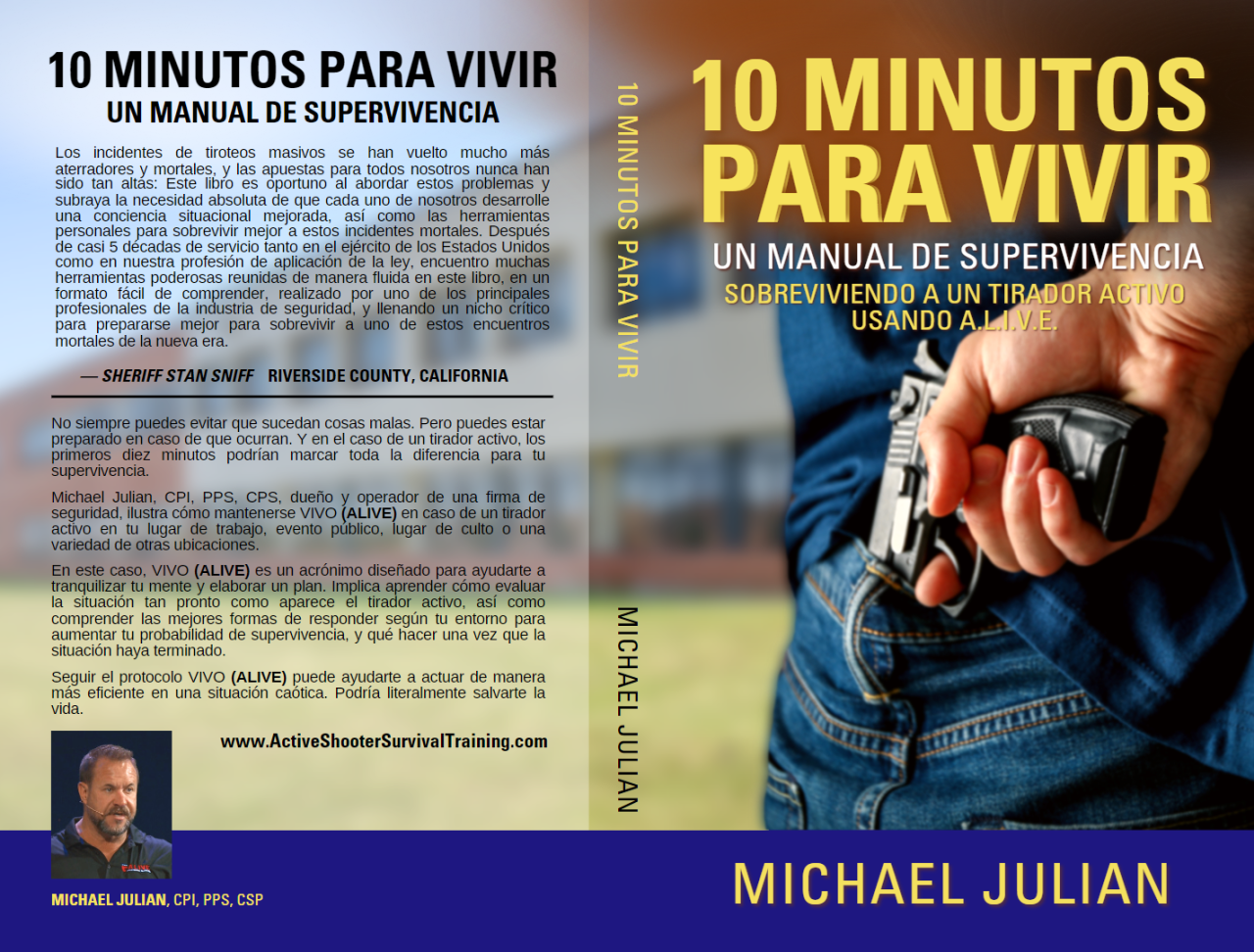
A.L.I.V.E., which stands for Assess, Leave, Impede, Violence, and Expose, was created in 2014 when Michael began teaching his Active Shooter Survival philosophy throughout the United States. His book on the subject, 10 Minutes to Live: Surviving an Active Shooter Using A.L.I.V.E. was published in 2017 and the online version of the A.L.I.V.E. Training Program was launched in 2019 and is now part of the corporate security training program for companies throughout the world.
Why A.L.I.V.E. Active Shooter
Survival Training Program?
The A.L.I.V.E. Active Shooter Survival Training Program is a comprehensive training program designed to provide individuals with the necessary skills and knowledge to survive an active shooter incident. Its emphasis on situational awareness and decision-making makes it a practical and effective approach to active shooter situations. By empowering individuals to take proactive measures to protect themselves and others, the program can help prevent tragedies and save lives.