"Michael Julian has written an excellent book. Practical, detailed, and a potential life saver if you find yourself in the midst of a targeted attack."

Are You Liable Without Active Threat Training? What Employers Need to Know
Workplace safety is no longer limited to fire drills, evacuation maps, and OSHA compliance. As active threat incidents continue to impact offices, healthcare facilities, schools, warehouses, and public-facing businesses, employers are being held to a higher standard of preparedness.
The question many organizations now face is not if something could happen, but what their responsibility is if it does.
At A.L.I.V.E. Active Shooter Survival Training, we work with employers across industries to reduce risk, improve preparedness, and protect lives. This guide explains how liability applies to active threat preparedness and what employers need to understand to protect their people and their organization.
Duty of Care: The Employer’s Responsibility
Employers have a legal and ethical duty of care to provide a reasonably safe working environment. This duty extends beyond physical hazards and includes foreseeable risks.
Active threats are now widely recognized as a foreseeable risk.
Courts increasingly examine whether employers:
-
Took reasonable steps to address known dangers
-
Provided appropriate training
-
Had documented preparedness plans
-
Followed industry best practices
Failing to prepare can be viewed as negligence, not bad luck.
Why Active Threats Are Considered Foreseeable
Active threat incidents are:
-
Widely documented
-
Regularly reported
-
Studied by law enforcement and safety agencies
-
Addressed in federal and state guidance
When a risk is known and documented, organizations are expected to take reasonable action.
Ignoring the threat does not remove responsibility.
Liability Risks Employers Often Overlook
Many employers assume liability only applies if they caused harm. In reality, liability often arises from failure to prepare.
Common exposure areas include:
-
Lack of employee training
-
No documented response procedures
-
Inadequate communication plans
-
Failure to address prior warning signs
-
No drills or preparedness reviews
After an incident, these gaps are often examined in detail.
Training vs Policies: Why Documentation Alone Is Not Enough
Having a written emergency plan is important, but it is not sufficient.
Employers may still face liability if:
-
Employees were never trained on the plan
-
Training was outdated or generic
-
Employees did not understand response options
-
No evidence of preparedness exists
Training demonstrates intent, effort, and responsibility.
How Courts and Investigators Evaluate Preparedness
After an incident, investigations often ask:
-
Were employees trained to recognize threats
-
Did they know how to respond
-
Was training appropriate for the environment
-
Was leadership proactive or reactive
-
Were best practices followed
Organizations that invested in training are better positioned to demonstrate reasonable care.
The Cost of Being Unprepared Goes Beyond Legal Exposure
Liability is not limited to lawsuits.
Organizations may also face:
-
Workers compensation claims
-
OSHA scrutiny
-
Insurance complications
-
Reputational damage
-
Loss of employee trust
Preparedness protects both people and organizations.
Why Active Threat Training Reduces Liability
Training does not eliminate risk, but it significantly reduces exposure.
Active threat training:
-
Demonstrates proactive risk management
-
Shows commitment to employee safety
-
Provides defensible evidence of preparedness
-
Reduces panic and confusion
-
Improves survival outcomes
Prepared employees make better decisions under stress.
What Effective Training Should Include
Not all training is equal.
Effective active threat training:
-
Teaches situational awareness
-
Focuses on decision-making, not scripts
-
Addresses real-world environments
-
Empowers employees to act
-
Reinforces adaptability
One-size-fits-all videos rarely meet these standards.
The A.L.I.V.E. Approach to Preparedness
A.L.I.V.E. Active Shooter Survival Training teaches a practical, decision-based framework designed for real-world situations.
The A.L.I.V.E. Method:
-
Assess the situation quickly
-
Leave when escape is possible
-
Impede the threat if escape is not possible
-
Violence as a last resort to stop the threat
-
Expose information to first responders when safe
This approach gives employees clarity when seconds matter.
Proactive Preparedness Is a Leadership Decision
Active threat preparedness is not about fear. It is about responsibility.
Leadership decisions today determine outcomes tomorrow. Organizations that act proactively:
-
Protect employees
-
Reduce liability
-
Strengthen culture
-
Demonstrate accountability
Waiting until after an incident is too late.
Take Action Before Liability Becomes Reality
Active threat training is no longer a “nice to have.” It is an essential component of modern workplace safety.
If your organization has not addressed active threat preparedness, now is the time to act.
Contact Us Today to schedule training and take a meaningful step toward protecting your people and your organization.
Preparedness saves lives. Leadership makes the difference.
About the Author
Michael D. Julian is President of MPS Security & Protection and a 30-plus-year veteran of the security and investigations industry. He served as President of the California Association of Licensed Investigators (CALI) from 2005 to 2015 and has led executive protection, residential security, and corporate investigations engagements for Fortune 500 principals, high-net-worth families, and public figures across the United States. Connect with Michael on LinkedIn.
LEARN HOW TO SURVIVE AN ACTIVE SHOOTER!
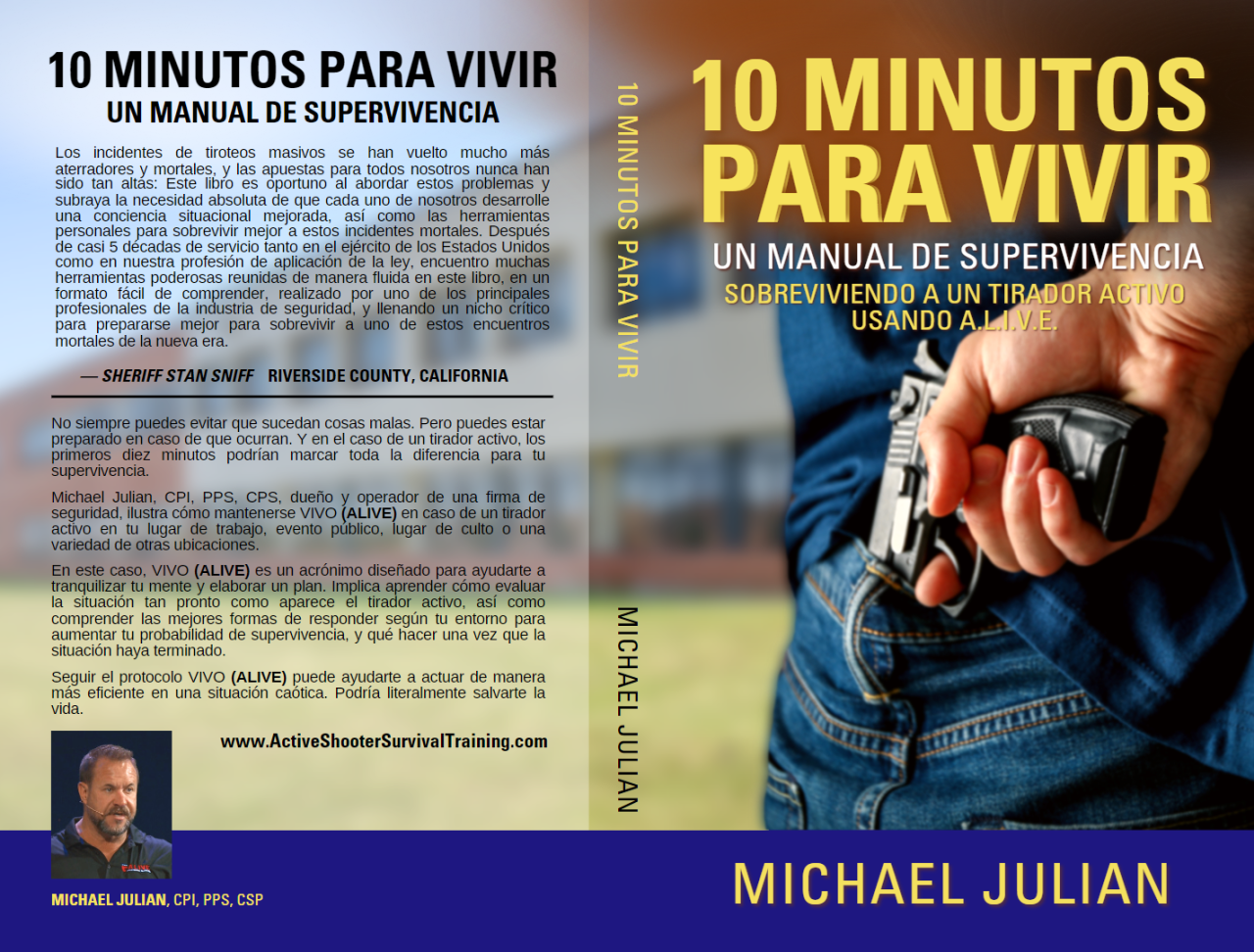
ALSO AVAILABLE FOR AUDIO DOWNLOAD, E-BOOK, AND PAPERBACK / HARDCOVER ON AMAZON




Hear From An A.L.I.V.E. Student Survivor Of The Las Vegas Massacre
"As a retired 32 year law enforcement veteran, with several years of SWAT and tactical experience, I learned some different unique perspectives as it pertains to civilians dealing with active threat situations. Very good class for civilians who may have never experienced reacting to a life and death stressful situation."
- Christopher C.
A.L.I.V.E. STANDS FOR:
Assess
Assess the situation quickly
Leave
Leave the area if you can
Impede
Impede the shooter
Violence
Violence may be necessary
Expose
Expose your position carefully for safety
INDUSTRIES WE SERVE
Corporations
Government
Healthcare
Places of worship
Schools & Universities
Venues
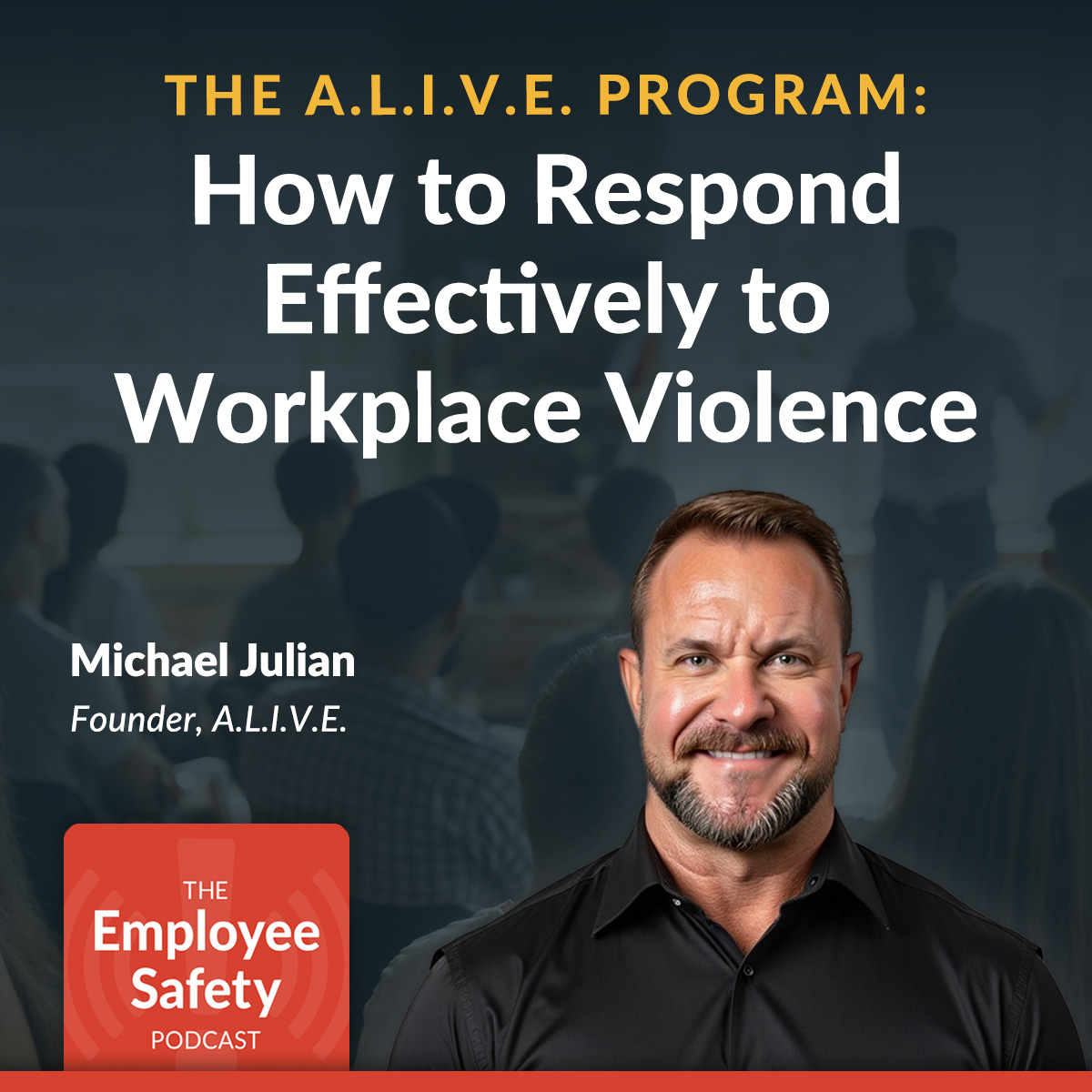
MICHAEL JULIAN
Creator of A.L.I.V.E.
A.L.I.V.E., which stands for Assess, Leave, Impede, Violence, and Expose, was created in 2014 when Michael began teaching his Active Shooter Survival philosophy throughout the United States. His book on the subject, 10 Minutes to Live: Surviving an Active Shooter Using A.L.I.V.E. was published in 2017 and the online version of the A.L.I.V.E. Training Program was launched in 2019 and is now part of the corporate security training program for companies throughout the world.

Why A.L.I.V.E. Active Shooter
Survival Training Program?
The A.L.I.V.E. Active Shooter Survival Training Program is a comprehensive training program designed to provide individuals with the necessary skills and knowledge to survive an active shooter incident. Its emphasis on situational awareness and decision-making makes it a practical and effective approach to active shooter situations. By empowering individuals to take proactive measures to protect themselves and others, the program can help prevent tragedies and save lives.